
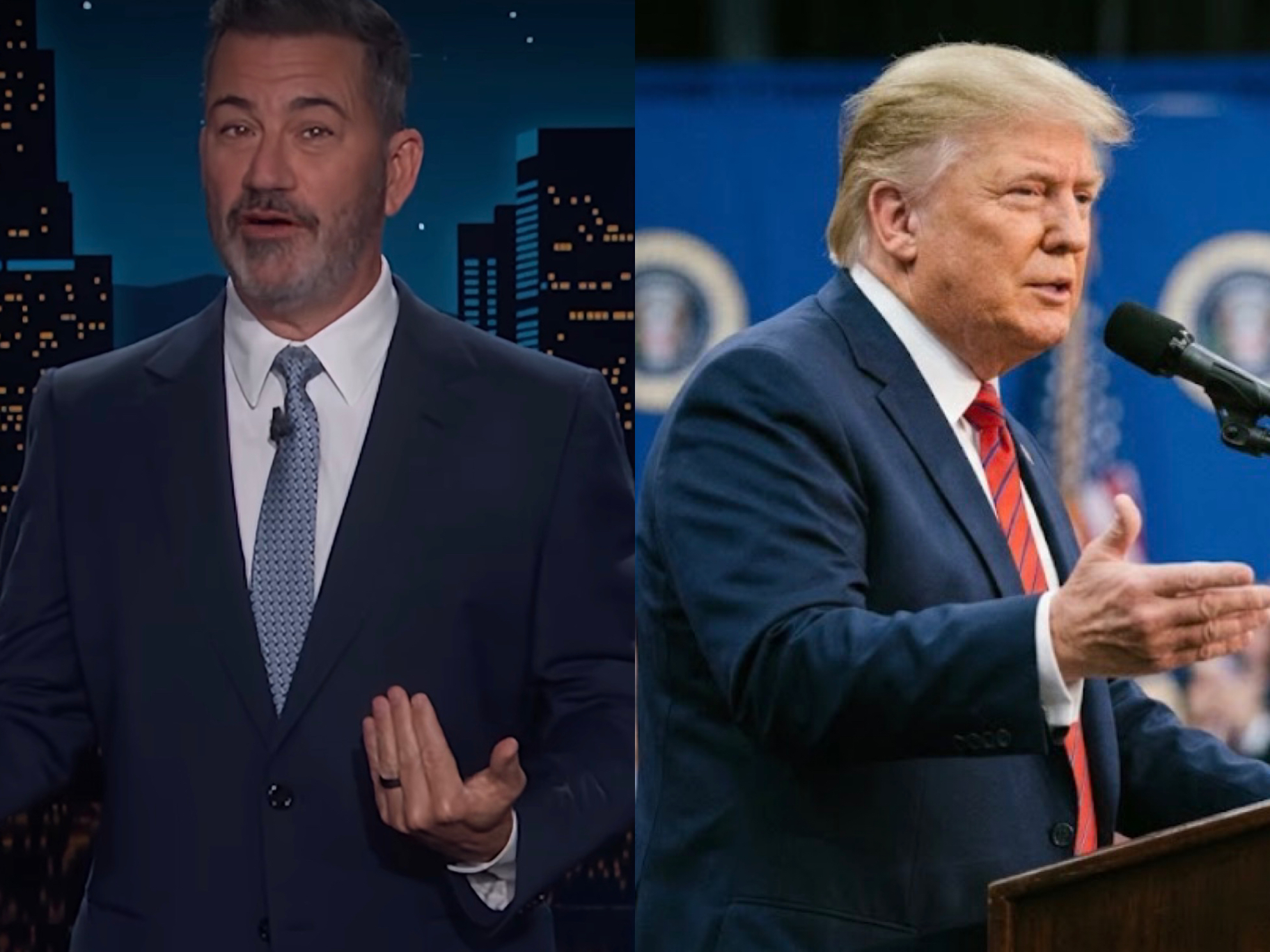
The Trump White House has taken its long-running war with the press from the rally stage to the security gate, moving from attacks on “fake news” to physically blocking CNN and other outlets from the building.
On Saturday, CNN, MS NOW, and Politico reporters arrived at the White House complex to cover the day’s events and were told they would not be allowed in. CNN White House correspondent Betsy Klein said her credential was confiscated at the gate, a visible escalation from rhetorical broadsides to direct government interference with newsgathering.
The administration framed the move as a response to what Donald Trump called “fake news” and relentlessly negative coverage. But barring specific outlets because the president dislikes their reporting is not media criticism. It is government retaliation against independent scrutiny, and it lands squarely in the territory of press freedom.
Other major organizations are now watching closely. If the White House can shut out CNN, MS NOW, and Politico today with minimal cost, it sends a clear message to every other outlet: soften your coverage, or your access could be next.
First Amendment Implications
Legally, there is no explicit constitutional right to a White House press pass. But that does not mean the president can hand out or yank access at will. Courts have held that when the government opens up a press facility for regular use, it cannot exclude journalists arbitrarily or as punishment for critical coverage.
The key precedent is Sherrill v. Knight, a 1977 decision from the D.C. Circuit. In that case, the Secret Service had denied a reporter a White House press pass with no explanation. The court ruled that because the White House credentialing system grants access to an important venue for covering the presidency, the government must provide clear standards and basic due process before denying or revoking credentials. In plain terms: the government cannot just say “no” because it doesn’t like you.
That framework has guided White House press access ever since. Administrations retain some discretion on security grounds, but courts have been deeply skeptical of viewpoint-based exclusions. When a White House targets specific outlets for their coverage, it invites a constitutional challenge that combines First Amendment protections for a free press with Fifth Amendment due process requirements.
CNN and the other outlets now have several options. They can seek immediate relief in federal court, arguing that barring their reporters is a form of unconstitutional retaliation for protected speech. They can demand written justifications and formal review under established credentialing rules, forcing the administration to articulate non-political reasons for the bans. And they can coordinate with other media organizations and press-freedom groups to increase both legal and political pressure on the White House.
This is not the first time an administration has clashed with the press, but direct, named-outlet bans for perceived disloyalty remain rare in modern U.S. politics. Past fights over access have typically involved individual reporters’ conduct, security concerns, or temporary pool arrangements—not blanket retaliation against entire news organizations for their editorial stance.
The CNN and Politico Bans in Context
The inclusion of Politico alongside CNN undercuts the idea that this is just a feud with a single cable network. Politico reporter Cheyenne Haslett also had her credential taken, and Politico has signaled it will push back, casting the move as a First Amendment issue rather than a scheduling dispute.
Taken together, the bans amount to a test of whether the White House briefing room and press grounds are treated as a partisan reward or as an institutional channel for independent scrutiny. If access becomes a tool to punish disfavored coverage, the incentive for any outlet that values its seat is to pull its punches.
Civil-rights and journalism organizations are already warning about that slippery slope. The National Association of Black Journalists condemned the decision, stressing that government officials cannot credibly champion democracy while cherry-picking which reporters get to witness it. NABJ’s response reflects a broader concern among journalists of color, who have often been the first to feel the bite of government efforts to marginalize aggressive reporting.
As CNN, MS NOW, and Politico weigh their next steps, the dispute has moved beyond a single gate and into a much larger argument over whether truth-telling about the presidency is a protected public service or a punishable offense.
Kimmel as Cultural Barometer
In the middle of this standoff, late-night television has become a kind of running commentary on the administration’s relationship with reality—and with the press. Jimmy Kimmel, one of Trump’s most consistent critics in entertainment, has used his monologues to highlight the president’s fixation on media coverage and personal grievance.
In a recent segment, Kimmel mocked footage of Trump appearing to nod off during public events, throwing the “Sleepy Joe” insult back at the former president. The jokes land not just because they are sharp, but because they mirror the whiplash many viewers feel watching a White House that regularly questions reporters’ legitimacy while demanding endless attention.
Kimmel’s commentary is not central to the legal fight over White House access. But it is a useful barometer of the cultural moment: an era in which comedians, not just correspondents, are forced into the role of translators, explaining to audiences why attacks on “fake news” so often mask attacks on basic accountability.
A Shrinking Space for Independent Press
The White House insists that its restrictions are a fair response to biased, inaccurate reporting. That framing misses the point. A core function of an independent press is to question and, when warranted, criticize those in power. When the government punishes that criticism by locking reporters out of the building, it is not defending itself—it is eroding a vital democratic safeguard.
What happens in the coming days will matter far beyond CNN, MS NOW, or Politico. If these bans stand, future presidents—of either party—will have a ready-made blueprint for sidelining tough coverage. If they are challenged and reversed, it will reaffirm a hard but essential principle: the White House belongs to the public, and journalists are there as the public’s eyes and ears, not as invited guests who can be shown the door when the story gets uncomfortable.
This moment is a stress test for American press freedom. The outcome will help determine whether access to the seat of executive power remains a public trust or becomes another lever of political control. The country cannot afford to get this one wrong.


Leave a Reply